
The role of the European Union as space actor
Updated December 2025
- The space industry has been developed by corporate activities, in cooperation with both the ESA (European Space Agency) and the national space agencies of the larger EU countries.
- The turnover generated by satellite and launcher design and manufacturing activities has grown rapidly.
- The Galileo and Copernicus programmes
- The EU Satellite Centre.
- The EU Agency for Space Programmes.
- The ESA’s programmes form also the backbone of Finnish space activities.
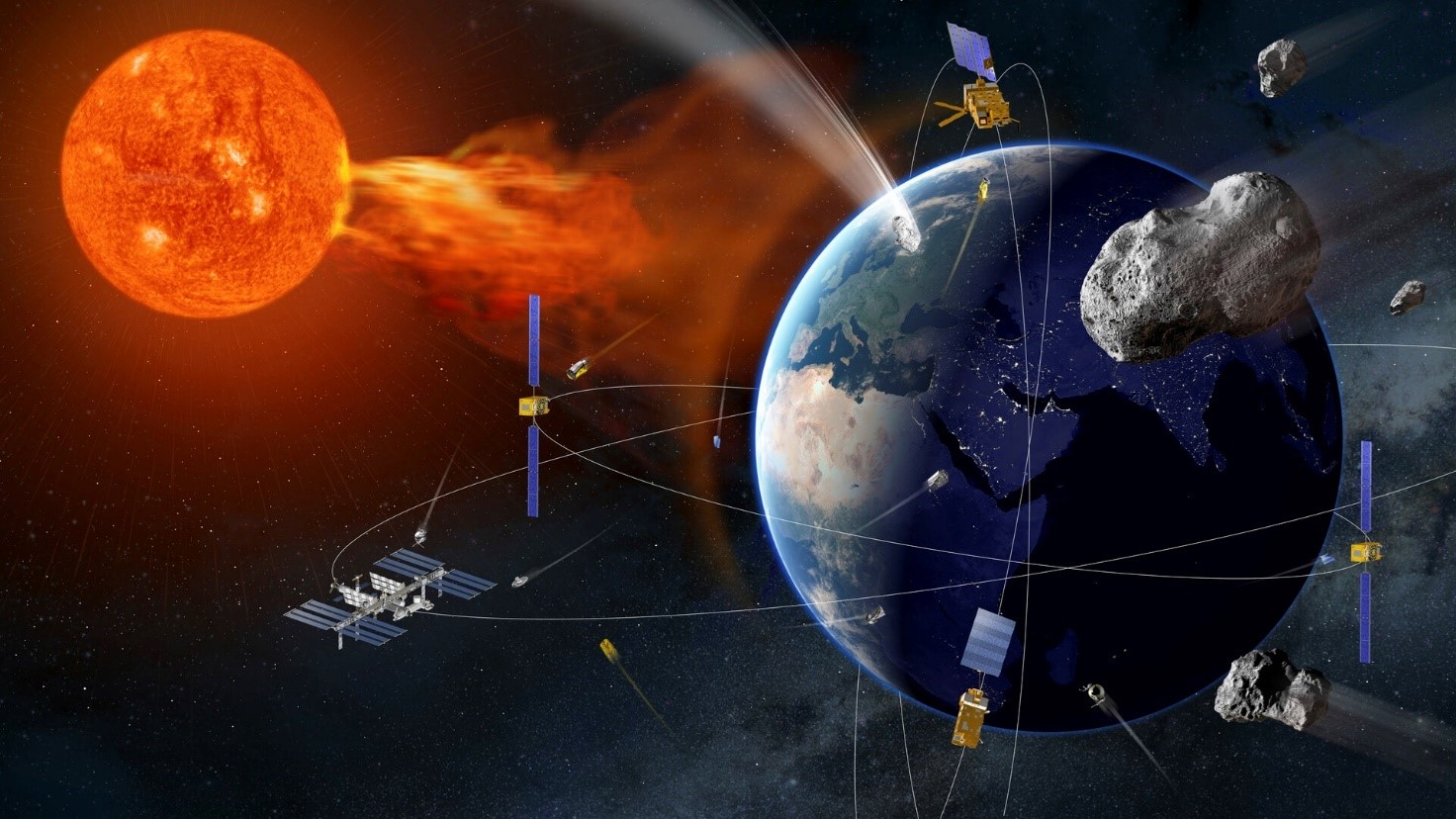
The EU invests in space research. Image source: ESA
Read more
In 2022, EU leaders defined space as a strategic area, and on 10 March 2023, the European Union’s Space Strategy for Security and Defence was published. The strategy provides a framework that aims to strengthen the EU’s freedom of action and strategic autonomy in the field of security and defence, through the use of space services. Key priorities include developing and strengthening the EU’s space infrastructure, such as the Copernicus and Galileo programmes, supporting the EU Satellite Centre to improve geospatial intelligence capacities, and enhancing member states’ space-based situational awareness.
Through the activities of companies, the European Space Agency (ESA) and, in particular, the national space agencies of France, Germany and Italy, the European space industry has developed into an industry in which the design and manufacture of satellites and launch vehicles has grown rapidly.
For more than 20 years, the space activities of ESA and the EU have been guided by the joint Galileo satellite positioning programme and the Copernicus remote sensing programme.
The EU’s joint global navigation satellite system, Galileo (GNSS), was launched in 2016. The system’s 24 satellites orbit the Earth at an altitude of 23,222 kilometres and provide a basic open service, which is free of charge, in addition to providing special services to authorities.
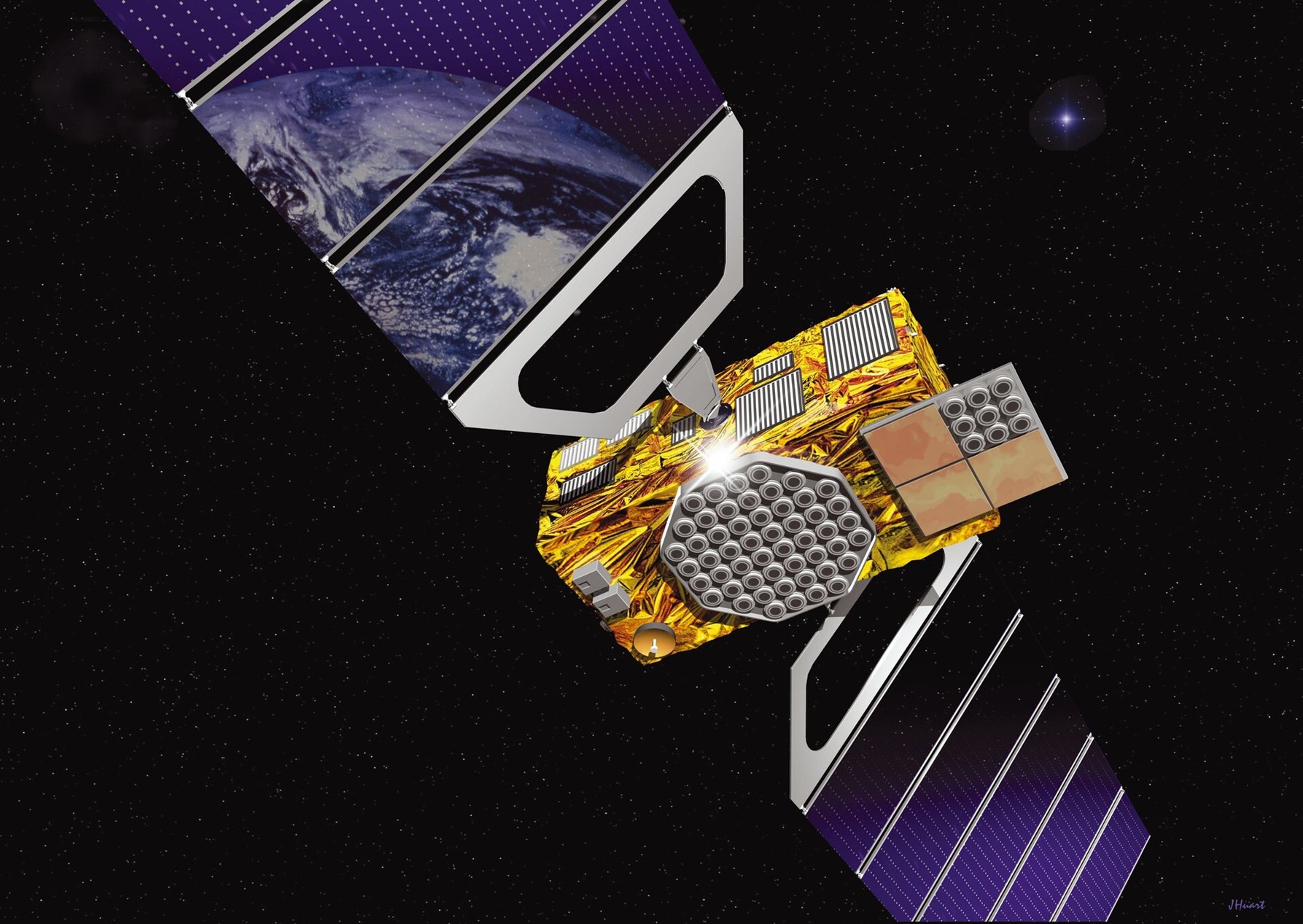
Galileo satellite. Image source: ESA.
Copernicus is a European Earth observation programme coordinated and managed by the EU Commission in cooperation with ESA, the member states and EU agencies. Copernicus services became operational in 2014. Global data from satellites and from terrestrial, airborne and ocean measurement systems is made available, free of charge – and can be used to provide citizens and organisations with up-to-date and high-quality information and services.
The EU Satellite Center (EUSC) supports the Union’s decision-making and action in the fields of Common Foreign and Security Policy (CFSP) and Common Security and Defence Policy (CSDP). The main users of the services are the External Action Service, member states, national delegations and missions, the Commission, other EU agencies such as Frontex, external states, and international organisations such as the UN and the OSCE.
The EU Agency for the Space Programme (EUSPA) manages the public interests of the European GNSS programme under the European Geostationary Navigation Overlay Service (EGNOS), the Galileo programme, the Copernicus Earth observation programme and the EU governmental satellite communications programme (GOVSATCOM).
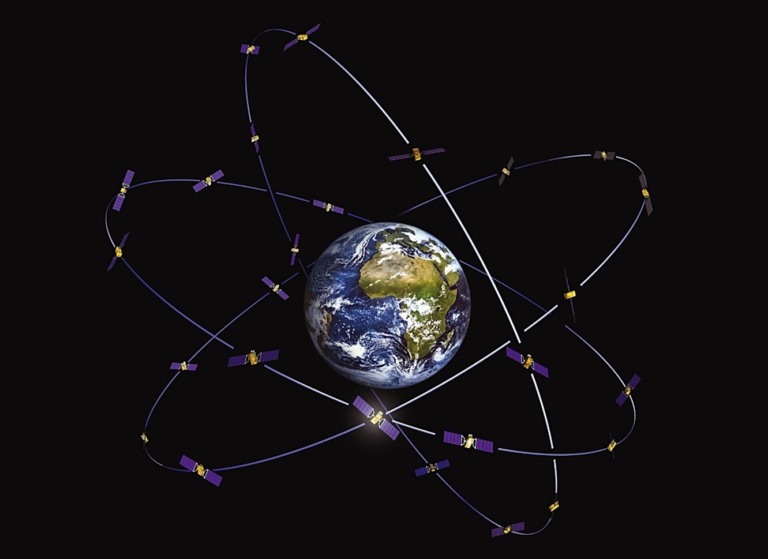 Constellation of Galileo’s 30 satellites.
Sources and links
Copernicus is the European Union’s Earth observation programme:
https://www.copernicus.eu/en
The European Space Agency):
http://www.esa.int/
European Organisation for the Exploitation of Meteorological Satellites (EUMETSAT):
https://www.eumetsat.int/
European Global Navigation Satellite Systems Agency:
https://www.gsa.europa.eu/galileo-same-gps
European Union Satellite Center (EUSC)
https://www.satcen.europa.eu/
Space, security and defence. European Council 2025:
https://www.consilium.europa.eu/en/policies/space-security-and-defence/